
 English
 Español
Submitted by Melissa Vidito on
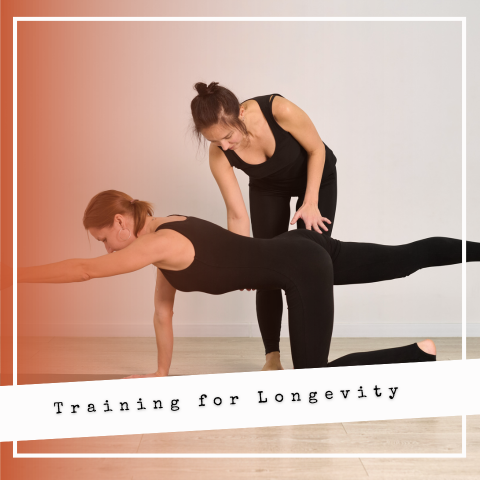
For years, the fitness industry focused heavily on short-term goals—burn calories, lose weight, get ready for summer.
But today’s clients are asking a different, more valuable question:
How do I stay strong, mobile, and independent for the rest of my life?
The conversation in fitness is shifting from aesthetics to longevity and healthspan. Clients are increasingly interested in exercise that supports their long-term health, not just their appearance. For fitness instructors, this shift represents an opportunity to expand our role—from leading great workouts to helping people build bodies that support them for decades.
Training for longevity means focusing on strength, mobility, balance, and movement patterns that help people maintain independence and quality of life as they age.
What Is Longevity Training?
Longevity training focuses on exercise strategies that help individuals maintain strength, mobility, and independence throughout their lives. Instead of emphasizing short-term outcomes like weight loss or aesthetic goals, longevity training prioritizes physical resilience and long-term health.
Key components of longevity-focused fitness include:
- Strength training to maintain muscle mass
- Mobility work to support joint health
- Balance training to prevent falls
- Functional movement patterns that support everyday activities
Organizations such as the American College of Sports Medicine emphasize that regular physical activity—including resistance training, flexibility work, and balance training—plays a critical role in maintaining strength, mobility, and independence across the lifespan.
For instructors, longevity training means helping clients build physical capabilities that extend far beyond a single workout or season.
Strength Training as the Foundation of Longevity
One of the most powerful tools for supporting longevity is strength training.
As people age, they naturally lose muscle mass—a process known as sarcopenia. Research suggests adults can lose 3–8% of muscle mass per decade after age 30, with the rate accelerating later in life. This decline can affect metabolism, stability, and overall physical function. Resistance training helps counteract this process by maintaining lean muscle mass, supporting joint stability, and improving overall strength.
For instructors, the key is focusing on foundational movement patterns such as:
- Squats
- Hinges
- Pushes
- Pulls
- Loaded carries
These compound movements build strength that translates directly into everyday activities like lifting groceries, climbing stairs, or getting up from the floor.
Consistent strength training not only supports physical performance but also contributes to long-term metabolic and functional health.
Balance and Mobility: Essential for Lifelong Movement
Mobility and balance are often overlooked in traditional fitness programming, yet they are critical components of longevity training.
Small declines in coordination, joint mobility, and balance can significantly affect a person’s ability to move confidently and safely as they age. Incorporating unilateral exercises, controlled mobility work, and stability training helps maintain these important physical skills.
Simple programming choices—such as single-leg exercises, controlled tempo movements, or dynamic mobility work—can significantly improve joint function and overall movement quality.
When instructors consistently incorporate these elements into classes, they help clients build a foundation for long-term resilience.
Supporting Bone Health Through Exercise
Bone health is another important factor in longevity training, particularly as clients move into midlife and beyond.
Weight-bearing exercise and resistance training stimulate bone tissue and help maintain bone density. This becomes increasingly important for reducing the risk of osteoporosis and fractures later in life.
Strength training, multi-directional movement, and appropriate loading strategies all contribute to stronger bones and a more resilient musculoskeletal system.
By incorporating these types of exercises into classes, instructors can help clients maintain both skeletal strength and functional capacity as they age.
Programming Functional Movement Patterns
Longevity training ultimately comes down to one key question:
Does this movement help someone move better in everyday life?
Functional movement patterns—such as squatting, hinging, lunging, pushing, pulling, and rotating—mirror the actions people perform daily. These patterns support activities like lifting, carrying, bending, and reaching.
When instructors design workouts that reinforce these natural movement patterns, they help clients build the physical skills needed for independent living.
Rather than focusing solely on isolated exercises, longevity-focused programming emphasizes movements that strengthen the body as an integrated system.
The Expanding Role of the Fitness Professional
The modern fitness instructor does more than lead a workout. Today’s professionals serve as educators and guides for long-term health.
As the industry shifts toward longevity and healthspan, instructors who prioritize strength, functional movement, and continued education will be better equipped to support their clients.
Because ultimately, the goal of fitness isn’t just to look good for a season—it’s to move well for a lifetime.
Frequently Asked Questions About Longevity Training
What is longevity training?
Longevity training focuses on strength, mobility, balance, and functional movement patterns that help individuals maintain independence and physical capability throughout life.
Why is longevity training becoming more popular?
More people are prioritizing healthspan—the number of years they remain active, mobile, and independent—rather than short-term fitness goals.
How can fitness instructors incorporate longevity training into classes?
Instructors can prioritize compound strength movements, include mobility and balance work, and design workouts around functional movement patterns that support everyday activities.